

Easy Steps To Make Authentic Portuguese Chicken At Home
Introduction
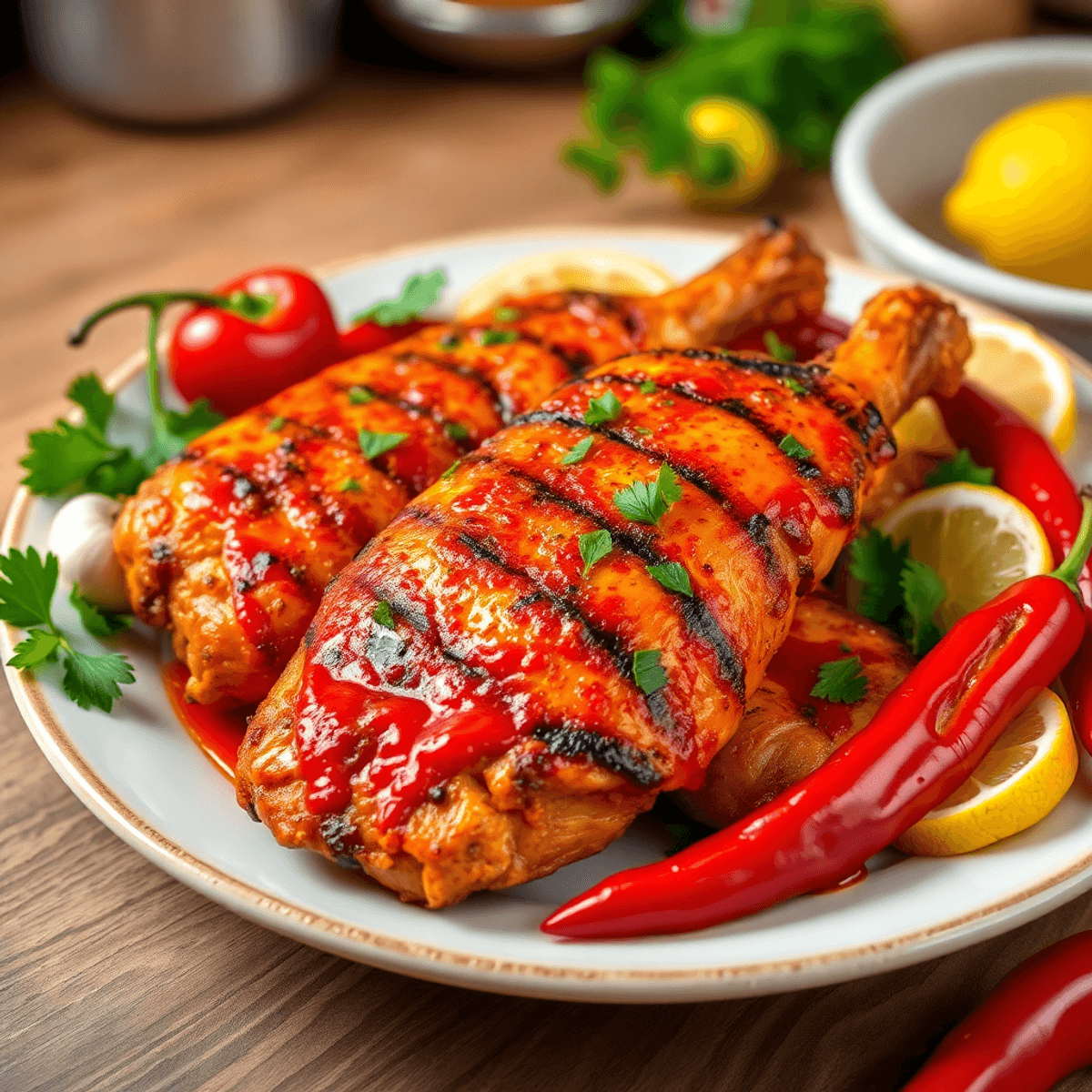
Homemade Portuguese Chicken, also known as Peri Peri Chicken, is a delicious dish that represents the vibrant flavors of Portuguese cuisine. It is famous for its bold tastes, which come from a combination of spices and ingredients that create a memorable dining experience. As we enter 2024, many food lovers are eager to recreate this authentic recipe in their own kitchens.
Authenticity in recipes is important because it preserves cultural heritage and allows us to experience the true essence of a dish. Making an authentic meal involves more than just following a recipe — it requires understanding and appreciating the traditional cooking methods and the origins of the ingredients used. This dedication to authenticity is what makes Homemade Portuguese Chicken so beloved by those who seek genuine culinary experiences.
Portuguese Chicken has gained popularity worldwide, not just in Portugal. Its rich flavors and cultural significance, especially in regions like South Africa where Piri Piri peppers are grown, have contributed to its global appeal. This dish speaks to many people as more than just a meal; it invites them to discover and celebrate different food traditions.
Exploring the Delicious World of Portuguese Chicken
When it comes to the food culture of Portugal, one cannot overlook the mouthwatering legacy of Portuguese chicken dishes. These tasty creations have made their way around the globe, with Piri Piri Chicken standing out as a widely loved favorite. This dish is a reflection of Portugal's rich history of exploration and trade, which brought in a variety of exotic spices and ingredients that are now essential in Portuguese cooking.
How Portuguese Chicken Dishes Came to Be
Portuguese chicken dishes have their origins in the Age of Exploration. During the 15th century, Portuguese explorers set out on voyages and returned with a wealth of culinary influences from Africa, Asia, and other regions. This is when spices like paprika and chili powder were introduced, giving traditional recipes a vibrant twist that continues to be cherished today.
The Importance of Spices in Portuguese Cooking
Spices are crucial in shaping the flavor profile of Portuguese dishes. They not only elevate taste but also reflect the diverse cultural exchanges throughout history. Key spices such as:
- Paprika: Adds a sweet yet smoky depth.
- Oregano: Contributes an aromatic earthiness.
These spices are skillfully combined to create bold and balanced dishes.
The Impact of Piri Piri Peppers
At the core of this flavor journey is the fiery Piri Piri pepper, a small yet powerful chili from Africa. Its arrival in Portugal brought about a delightful addition to local cuisine with its distinct heat and citrusy notes. This pepper is vital in crafting the signature spicy marinade for Piri Piri Chicken, delivering an irresistible punch that lingers on your palate.
By understanding these factors, we can see why Portuguese chicken has become a beloved dish worldwide, with each bite offering a glimpse into its fascinating history. To truly appreciate this culinary heritage, one must explore beyond just the recipes; it's about immersing oneself in the rich tapestry of flavors and stories that each dish embodies. For those who wish to delve deeper into this gastronomic journey, Culinary Backstreets offers insightful resources that explore various aspects of Lisbon's vibrant food scene.
Special Ingredients for an Authentic Taste Experience
Creating that perfect Portuguese Chicken starts with the right marination ingredients. These components are not just for flavor; they embody the essence of Portuguese culinary craftsmanship:
- Lemon Juice: This zesty citrus fruit adds a refreshing tanginess, cutting through the richness of the chicken and enhancing its succulence.
- Olive Oil: Known for its smooth texture and slightly fruity taste, olive oil acts as a carrier for flavors, ensuring they seep deep into the meat.
- Garlic: A staple in many Portuguese dishes, garlic offers a robust aroma and a subtle sweetness when roasted.
Essential spices play a significant role in crafting those unique flavors:
- Paprika: Whether you opt for sweet or smoked, paprika provides a warm depth to the dish. It contributes not only color but also a mild heat that underscores other spices.
- Chili Powder: For those who enjoy a bit of kick, chili powder is your go-to. Adjusting the amount lets you tailor the spice level to your preference.
For those willing to experiment, consider these optional ingredients:
- Worcestershire Sauce: Imparts a complex umami flavor that complements the chicken's natural juices. Ideal when you want to add depth without overpowering other tastes.
- Sriracha: Perfect for heat aficionados, Sriracha introduces a fiery element. Best used sparingly, it can turn up the heat while keeping flavors balanced.
Each ingredient plays its part in creating an authentic taste experience, marrying tradition with personal flair.
Mastering the Art of Marination and Cooking Techniques

Marinating chicken is not just a step; it’s an art that lays the foundation for the flavor explosion that is Homemade Portuguese Chicken. The secret to this dish lies in its flavor infusion process, where every ingredient seeps into the chicken, creating a taste profile that's both zesty and spicy.
Importance of Marinating for Flavor Penetration
Imagine biting into a piece of chicken where each layer bursts with taste—this is the magic of marination. A personal anecdote: I once rushed through the marination process due to time constraints and noticed how lackluster the flavors were compared to when I let it soak overnight. The difference was night and day.
Recommended Marination Duration
- Quick Marination: If you're short on time, even a few hours can do wonders.
- Overnight Soak: For those who plan ahead, an overnight soak promises a richer flavor profile. However, be cautious—excessive marination can alter the texture, making it mushy.
Tips for Effective Marination Techniques
- Ziplock Love: Utilize a ziplock bag for your marinating needs. Not only does it save space in your fridge, but it also ensures that every part of the chicken is equally soaked in marinade.
Pro Tip: Squeeze out as much air as possible from the bag before sealing it to enhance flavor absorption.
- Periodic Flipping: If you're using a bowl, remember to flip your chicken periodically. This little effort ensures even distribution of flavors across all pieces.
Balancing preparation time with technique is key to achieving the perfect Homemade Portuguese Chicken. With these strategies in place, you're well on your way to creating a dish that tantalizes taste buds and captures the essence of authentic Portuguese cuisine.
Exploring Different Cooking Methods for Perfectly Cooked Portuguese Chicken

Cooking Portuguese chicken to perfection can be achieved through a variety of methods, each offering unique benefits in terms of convenience, taste, and texture. Let's dive into the popular choices: baking and grilling.
Baking Methods
Baking is an incredibly convenient option, especially if you're preparing multiple servings. It allows for even cooking and ensures the flavors from the marinade are well absorbed. Here's a step-by-step guide to achieve juicy baked Portuguese chicken:
- Preheat your oven: Start with a high temperature, around 425°F (220°C). This helps to sear the chicken, locking in those delicious juices.
- Prepare the chicken: Place your marinated chicken pieces on a baking tray lined with parchment paper or foil for easy cleanup.
- Initial bake: Bake at 425°F for about 15-20 minutes per pound to sear the outside.
- Lower the temperature: Reduce the heat to 375°F (190°C) and continue cooking until the internal temperature reaches 165°F (74°C). This ensures even cooking throughout without drying out.
- Rest before serving: Allow the chicken to rest for a few minutes after removing it from the oven to let the juices redistribute.
Grilling Options
Grilling adds a smoky flavor that pairs beautifully with the spicy marinade of Portuguese chicken. Here are some tips for achieving that perfect grill:
- Preheat your grill grates: Ensure they are hot before placing the chicken on them. This helps in creating those desirable grill marks and prevents sticking.
- Avoid excessive flipping: Let the chicken sit on one side long enough to develop a proper sear before flipping it over—typically about 7-8 minutes per side depending on thickness.
- Check the internal temperature frequently: Aim for an internal temperature of 165°F (74°C) for safety and ideal texture.
Both methods have their merits; baking offers ease and consistency, while grilling provides an added depth of flavor. Whichever method you choose, you're set up for success with these techniques!
Serving Up Authenticity: Side Dishes and Presentation Ideas That Elevate Your Meal Experience!
When serving up a delicious plate of Portuguese chicken, it's essential to pair it with the right side dishes and accompaniments to truly highlight its vibrant flavors. Here are some ideas to transform your meal into an authentic culinary experience:
Traditional Side Dishes
- Crispy Potatoes: A classic companion for Portuguese chicken, crispy potatoes can be prepared in various ways. Slice them into wedges, season with olive oil, salt, and paprika, then roast until golden brown. For a touch of Portuguese flair, sprinkle some fresh rosemary before serving. Patatas bravas or batatas à murro (smashed potatoes) are popular regional variations that add a unique twist.
Green Sauce with Yogurt and Herbs
- Yogurt Herb Dip: This refreshing sauce complements the spicy notes of the chicken perfectly. Mix Greek yogurt with finely chopped herbs such as cilantro, mint, or parsley. Add a squeeze of lemon juice for brightness and a pinch of salt to taste. If you’re feeling adventurous, try combinations like dill and chives or basil and tarragon for a different flavor profile.
Adding Depth with Garlic
Incorporating minced garlic into your side dishes or sauces can elevate their flavor profile significantly. A hint of garlic in your crispy potato seasoning or yogurt herb dip can add an aromatic depth that pairs beautifully with the Portuguese chicken.
Creative Presentation Tips
Elevating your dish doesn’t stop at taste; presentation plays a crucial role too. Consider these simple yet effective ideas:
- Garnishing with Fresh Parsley: A sprinkle of chopped parsley not only adds color but also enhances the natural flavors of the dish.
- Rustic Wooden Board Arrangement: Serve the chicken pieces on a rustic wooden board for an earthy appearance. This method invites communal dining and creates an appealing visual impact at any gathering.
Creating an engaging dining experience is about more than just taste; it's about crafting moments that linger long after the meal is over. Whether through carefully chosen sides or thoughtful presentation touches, each element adds to the richness of enjoying Portuguese cuisine at home.
Nutritional Considerations and Recipe Variations Worth Trying!
Homemade Portuguese Chicken is not just a feast for the taste buds but also packs a nutritional punch. This protein-rich dish provides essential nutrients, with an average calorie count ranging from 485 to 533 calories per serving, depending on the preparation method and ingredients used. The presence of healthy fats, particularly from olive oil, adds richness to the flavor profile while contributing to satiety. Enjoying this delectable dish in moderation can help balance its richness with your dietary needs.
Exploring Regional Adaptations
Portuguese Chicken’s flavors have traveled far beyond Portugal's borders, inspiring various regional adaptations. In South Africa, for instance, the use of Piri Piri peppers gives the dish a fiery twist that has become iconic. Incorporating these peppers can elevate the spice factor, making it a favorite among heat lovers.
Unique Twists and Ingredient Substitutions
There's room for creativity in this homemade recipe too! Experimenting with alternative ingredients can offer fresh takes on traditional flavors:
- Smoked Paprika: Adds depth and a smoky aroma that complements the dish’s zest.
- Worcestershire Sauce or Sriracha: For those wanting an extra kick or umami depth.
For those seeking vegetarian or alternative protein versions without compromising on authenticity:
- Tofu: A great canvas for absorbing the marinade’s vibrant flavors.
- Seitan: Offers a chewy texture that's reminiscent of chicken.
These alternatives provide flexibility while maintaining the essence of Homemade Portuguese Chicken. Whether you stick to tradition or venture into new culinary territories, this dish is sure to bring joy to your dining table.
Conclusion: Savoring the Cultural Heritage Through Homemade Portuguese Chicken!
Creating Homemade Portuguese Chicken is more than just preparing a meal; it’s an invitation to immerse yourself in the rich culinary traditions of Portugal. This dish offers a unique way to connect with family and friends, turning any gathering into a flavorful celebration.
- Explore and Enjoy: Encourage your loved ones to join you in both cooking and tasting. The joy of sharing this homemade experience enhances every bite.
- Respect Its Roots: While experimenting with ingredients can be fun, appreciating the traditional elements of this dish honors its cultural significance.
- Share Your Creations: We'd love to hear about your experiences or any unique variations you’ve tried. Feel free to share your stories and pictures!
Prepare to embark on a culinary journey that not only pleases the palate but also connects you with the heart of Portuguese heritage. Happy cooking!
FAQs (Frequently Asked Questions)
What is Homemade Portuguese Chicken?
Homemade Portuguese Chicken, often referred to as Peri Peri Chicken is an authentic dish that highlights the importance of traditional recipes. It has gained popularity due to its rich flavors and cultural significance in Portuguese cuisine.
What are the key ingredients used for marinating Portuguese Chicken?
The essential marination ingredients include lemon juice, olive oil, and garlic. These ingredients contribute unique flavors that enhance the overall taste of the chicken. Spices like paprika and chili powder are also crucial for achieving the desired heat and depth of flavor.
How long should I marinate the chicken for the best flavor?
For optimal flavor penetration, it is recommended to marinate the chicken for several hours or overnight. However, be cautious as excessive marination can affect the texture of the chicken. A personal anecdote emphasizes how a longer marination time can truly intensify flavors.
What are some recommended cooking methods for Portuguese Chicken?
You can choose between baking and grilling methods for cooking Portuguese Chicken. Baking at high temperatures followed by lowering them ensures even cooking, while grilling provides a smoky flavor. Each method has its pros and cons regarding convenience, taste, and texture.
What side dishes pair well with Homemade Portuguese Chicken?
Traditional side dishes such as crispy potatoes complement Portuguese Chicken beautifully. Additionally, you can serve it with a green sauce made from yogurt and herbs. Creative presentation ideas include garnishing with fresh parsley or arranging pieces on a rustic wooden board.
Are there any nutritional considerations when enjoying Homemade Portuguese Chicken?
Homemade Portuguese Chicken offers nutritional benefits including protein and healthy fats, with an average calorie count ranging from 485 to 533 calories per serving. It's advisable to moderate portion sizes due to its richness. You can also explore regional adaptations or alternative ingredients for unique twists on the recipe.

